The La Jolla Dialogues: In Conversation with RADM Dirk Gärtner

The La Jolla Dialogues: In Conversation with RADM Dirk Gärtner
Overview
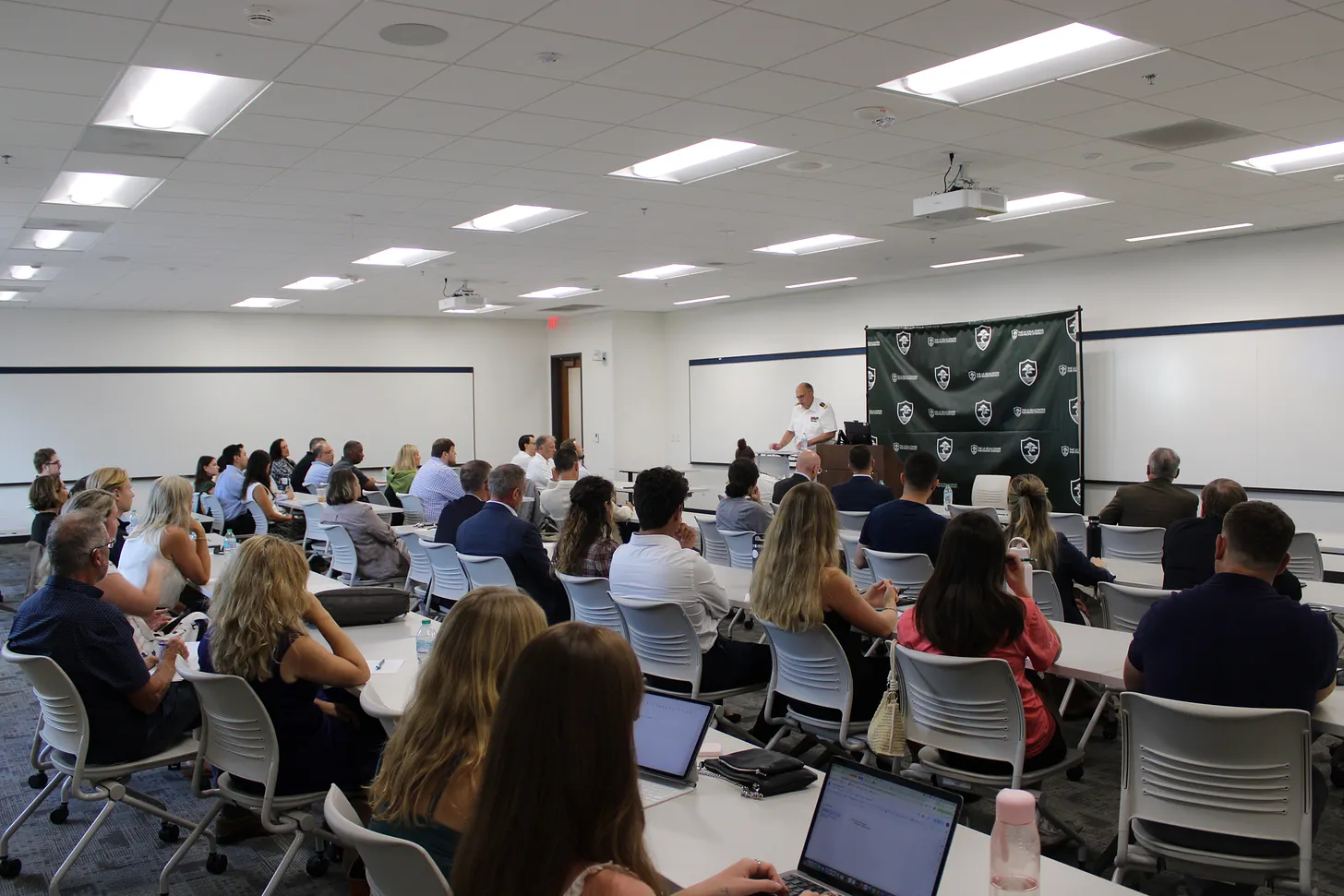
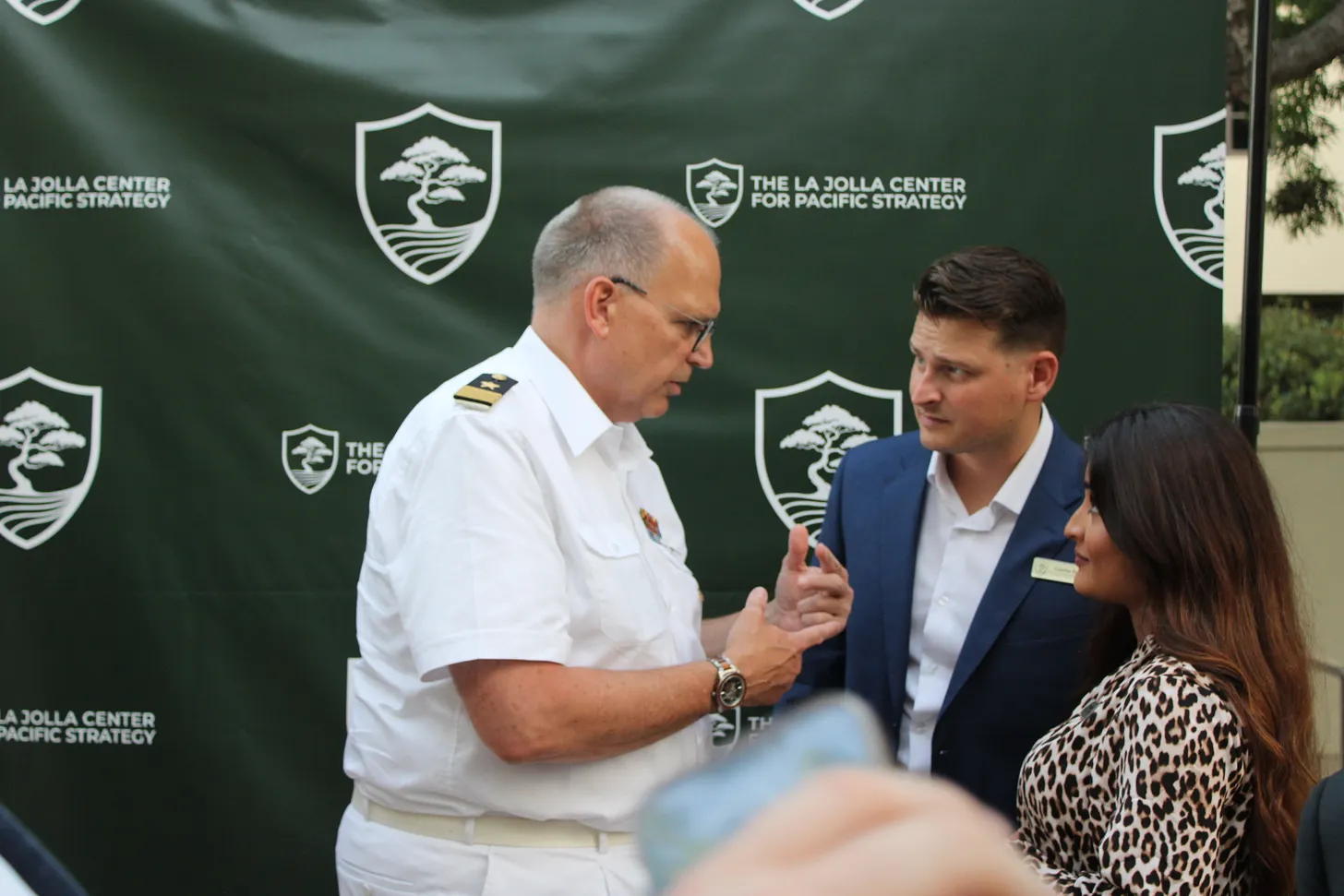
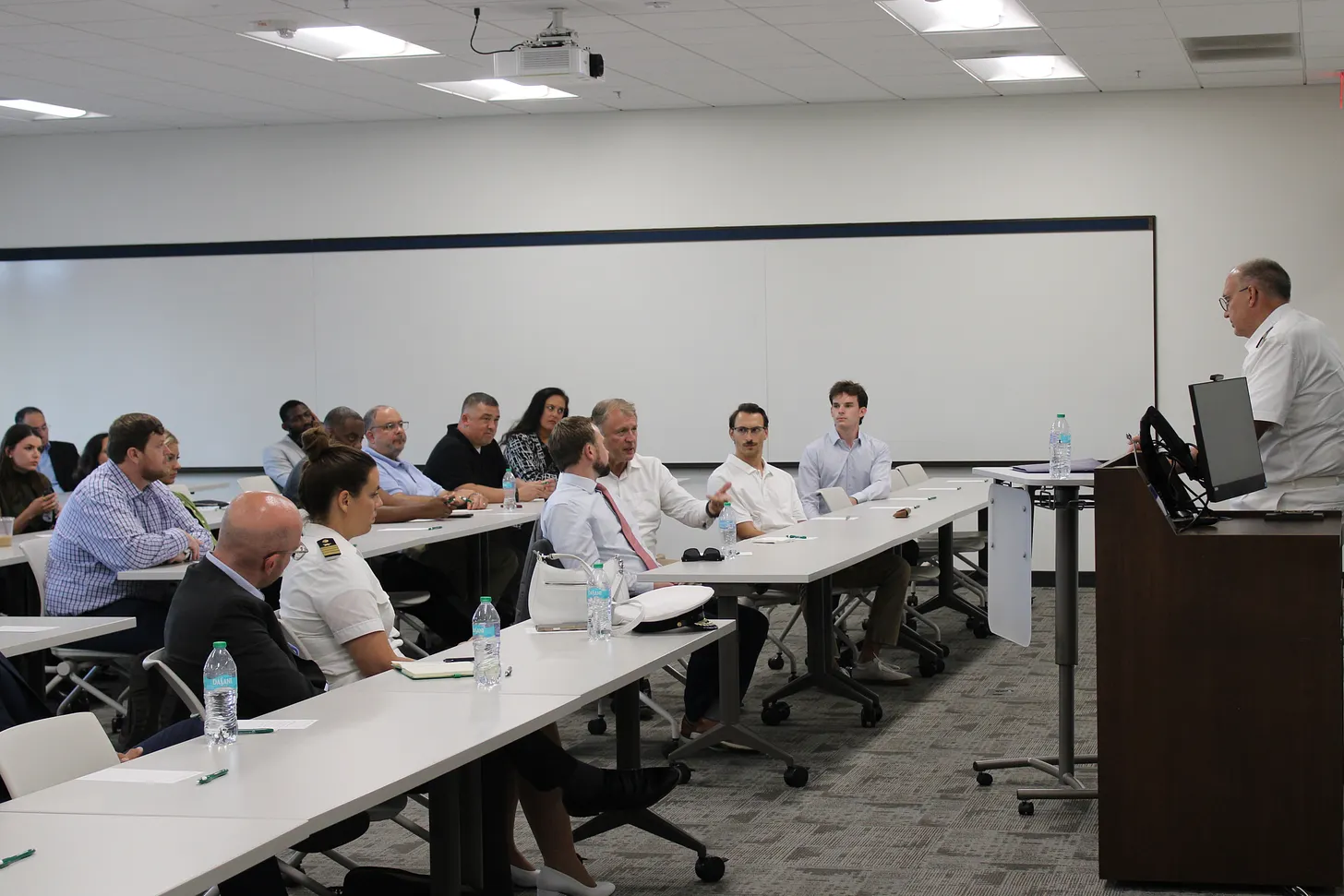
The La Jolla Center for Pacific Strategy hosted the latest installment of the La Jolla Dialogues at the University of San Diego on August 27, 2026. This event brought together senior military, diplomatic, government, academic, and industry leaders from the United States and Germany for a candid conversation on allied naval strategy, the evolving character of maritime competition, and Germany’s ongoing defense transformation. All remarks and discussion were held under the Chatham House Rule.
Germany’s Strategic Reckoning
The evening opened with a discussion of how Germany arrived at its current moment. For decades, the country operated under assumptions that treated military posture and peace as fundamentally in tension, leaving defense investment minimal and the strategic culture oriented away from hard power. The events of recent years have upended those assumptions. Germany is now engaged in a significant effort to rebuild its defense posture, one that involves reconsidering its force structure, reexamining how a democratic society sustains military readiness, and confronting institutional inertia that accumulated over a long period of strategic complacency. The candid assessment was that progress is real, but the gap remains large.
Naval Trends and the Technology Environment
The discussion framed modern naval competition as more contested, more congested, and more technologically volatile than at any previous point. Unmanned systems across multiple domains were described as among the most consequential developments in contemporary maritime warfare, lowering the threshold for smaller actors to inflict serious damage and introducing unresolved questions about the right balance between manned and unmanned platforms.
The electromagnetic domain was identified as increasingly decisive. The ability to disable sensors and disrupt information flow can render sophisticated platforms ineffective regardless of their technical capability. A through line across the technology discussion was the relationship between connectivity and vulnerability: Greater integration creates capability but also creates fragility, and the operating environment today reflects that tension in ways that were not true a generation ago.
The European Theater and Allied Relationships
Europe was characterized as a highly contested strategic environment, with the Baltic Sea region carrying particular significance for collective deterrence. The discussion addressed the constraints shaping how Germany operates within NATO, Germany’s relationships with its European partners, and the ongoing work of adapting alliance structures to a threat environment that has changed faster than the institutions designed to manage it. A European standing army was nonetheless deemed unlikely, given the difficulty of reconciling divergent national interests. The more realistic path described was deepening practical interoperability within the existing alliance framework. Recent NATO enlargement was cited as an example of how quickly consequential strategic decisions can happen when circumstances demand it.
Procurement, Innovation, and AI
The procurement discussion was frank. Germany’s acquisition system is shaped by constitutional arrangements that give the legislature significant authority over defense spending, creating a framework that is deliberate in principle but slow in practice. The defense industrial landscape is changing, with more companies working on defense-relevant technology than a decade ago and smaller firms increasingly entering strategic conversations within the industry. The challenge is connecting that innovation to the military in ways that produce fielded capability. Procedural compliance remains a barrier for smaller companies, and the process has not kept pace with the speed of the technology environment.
On artificial intelligence, the discussion was framed not primarily as a technical question but as a political one. Which models can be trusted, and where they come from, involve questions of data governance and sovereignty that go well beyond raw capability. No clear consensus has emerged on what a trustworthy framework for military AI looks like. The honest assessment was that the work of determining what to invest in is still ongoing.
The Pacific and Transatlantic Dimensions
The Pacific was identified as a strategic area of interest for Germany, with ongoing discussions among European partners and with the United States Navy. Questions about the durability of the transatlantic relationship were addressed seriously. The relationship was described as genuinely important. At the same time, the broader question of supply chain resilience and dependence on components sourced from potentially adversarial suppliers was treated as a live concern the alliance is still working through.
Closing
The evening reflected a military leadership that is clear-eyed about the distance between where capability currently stands and where it needs to be, candid about the institutional challenges involved in closing that gap, and genuinely engaged with questions that do not yet have settled answers.